

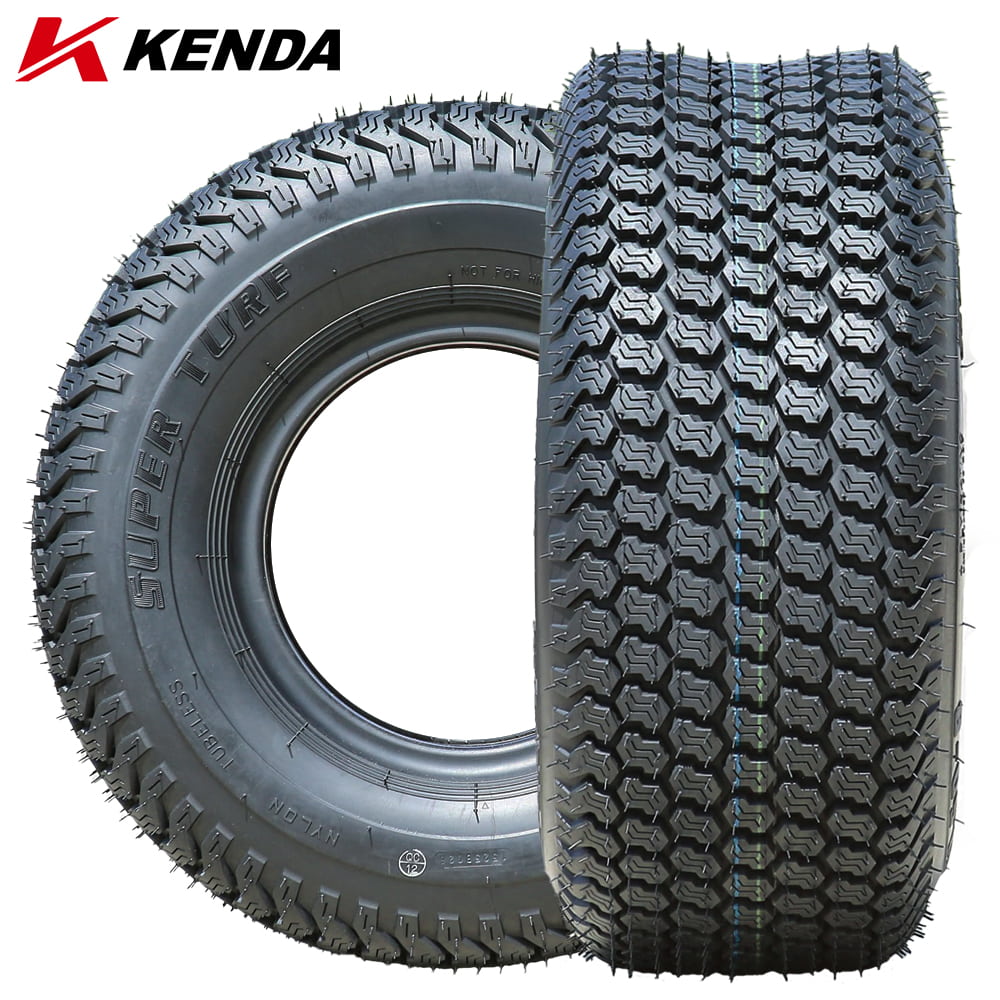
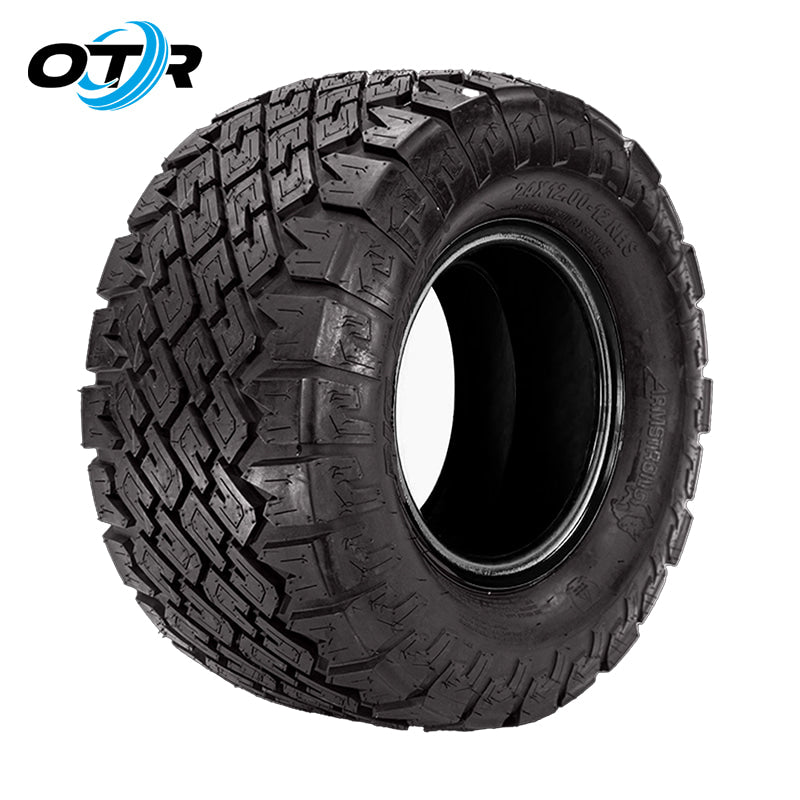
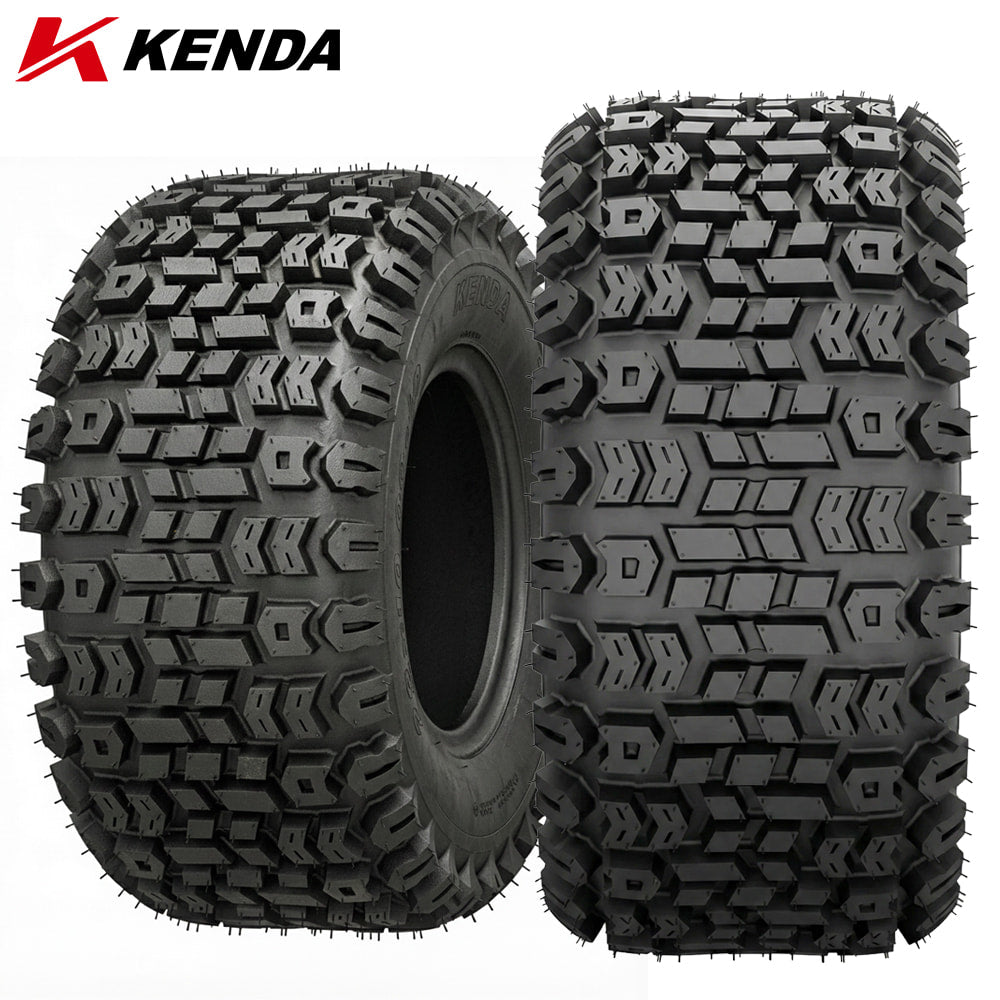
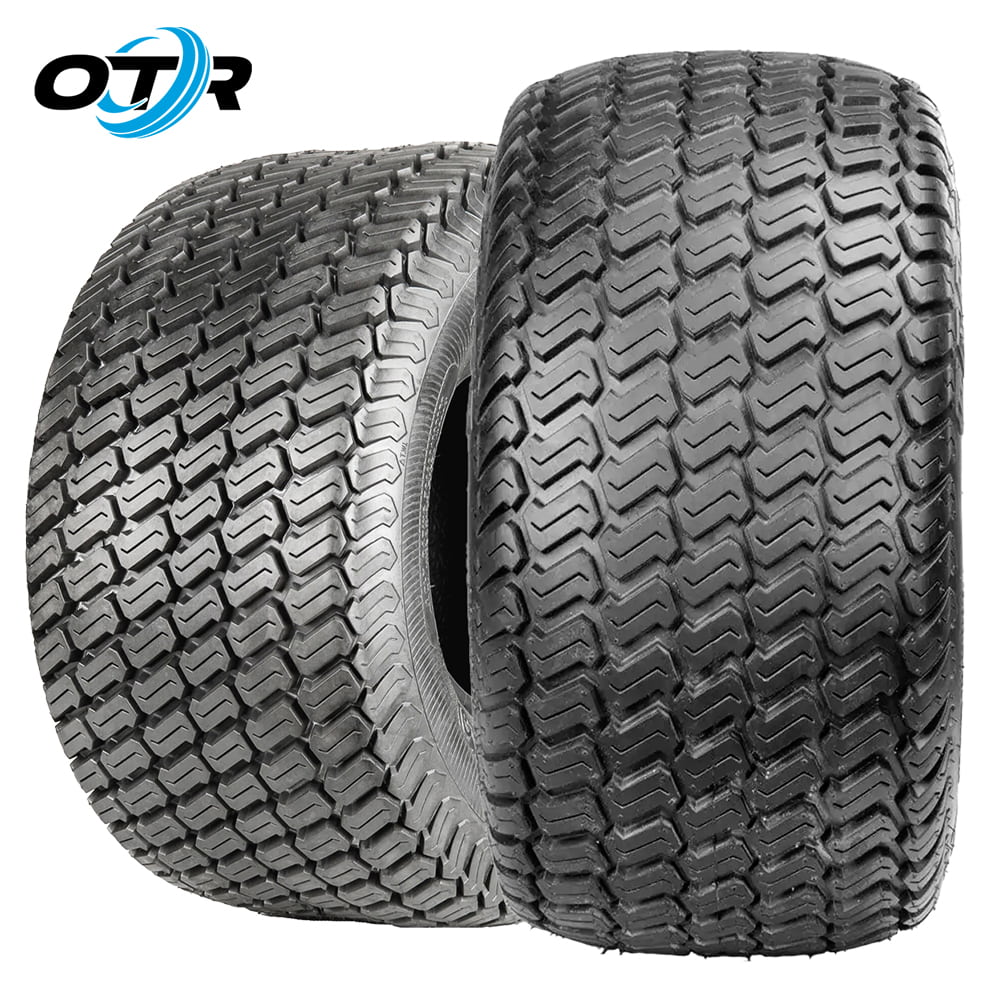
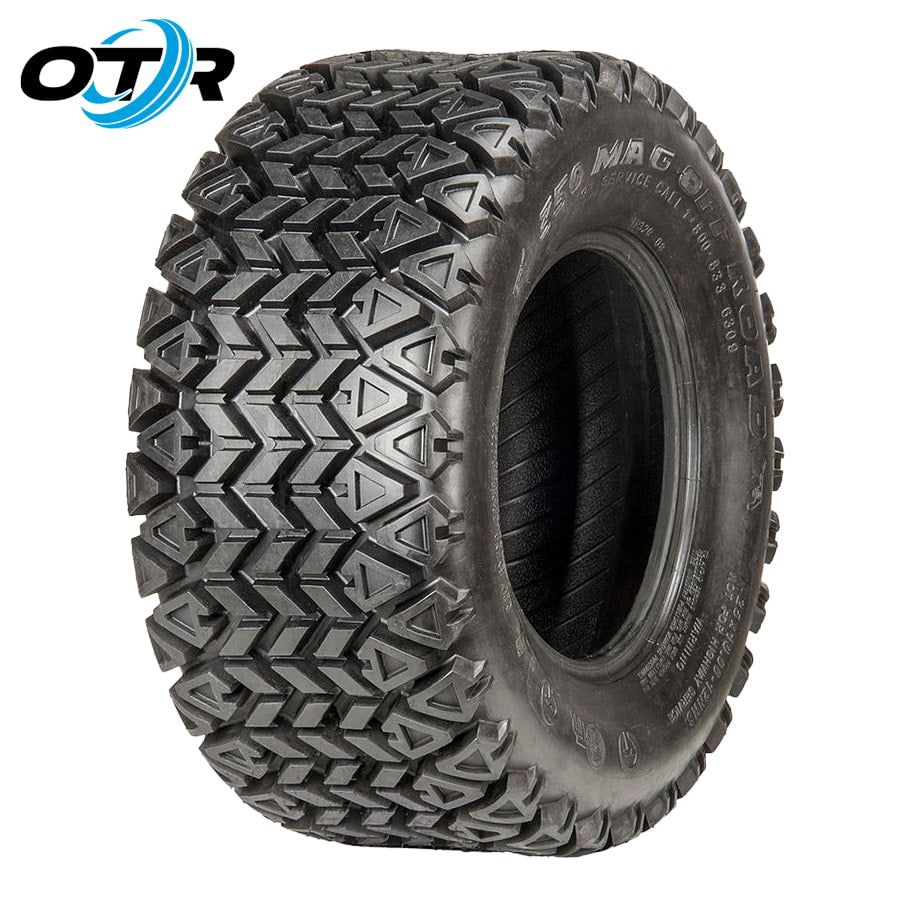
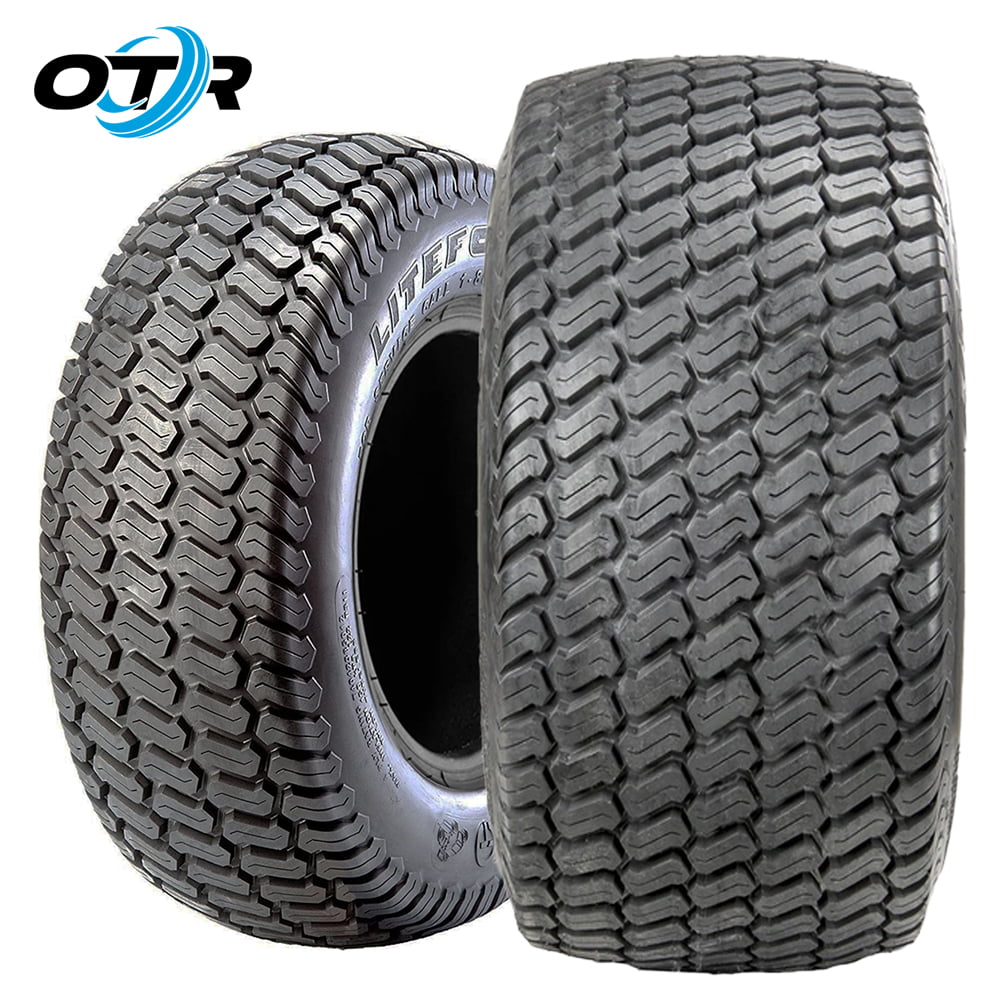

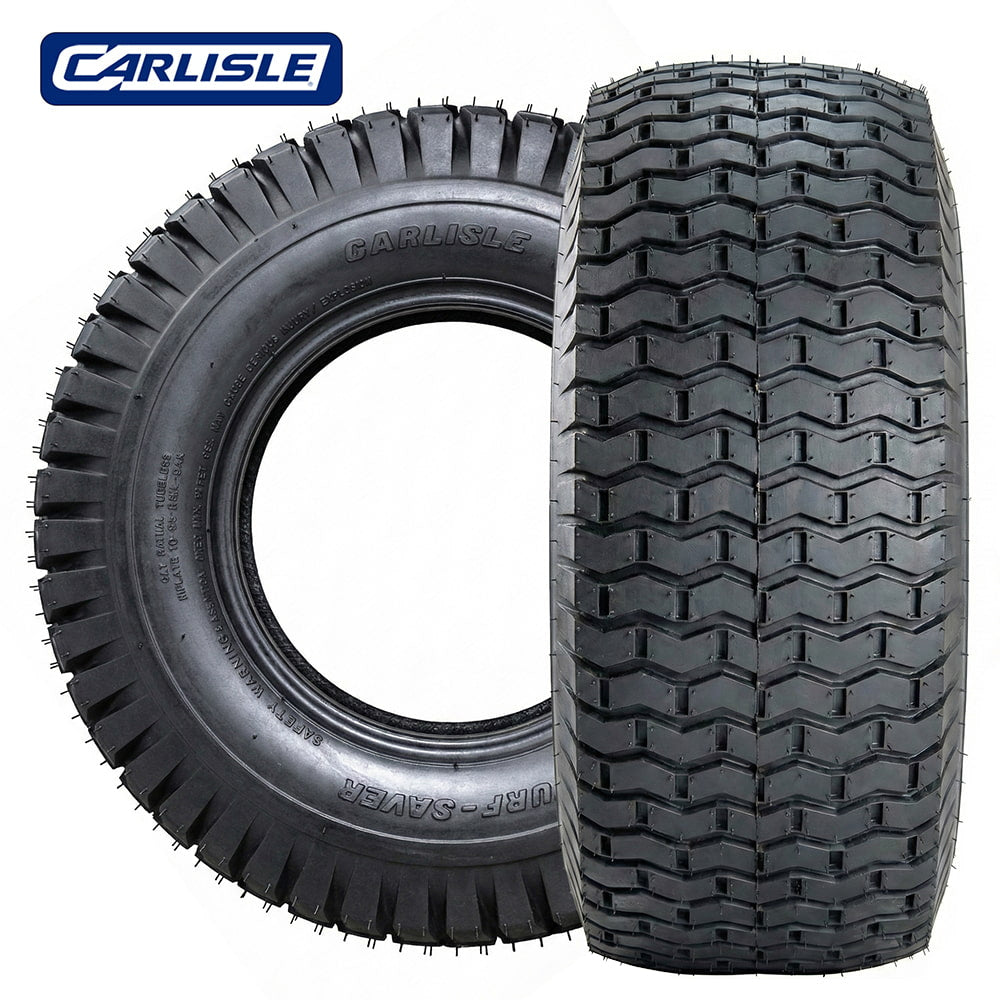
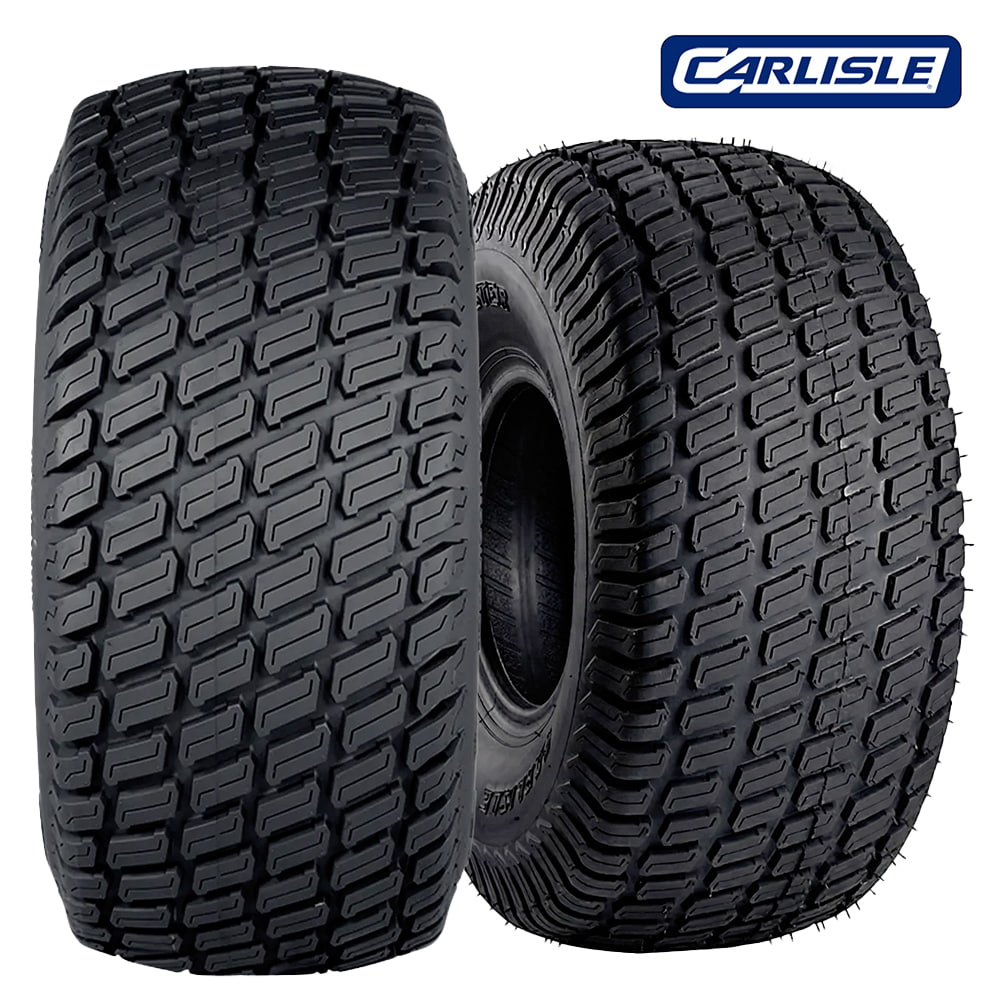
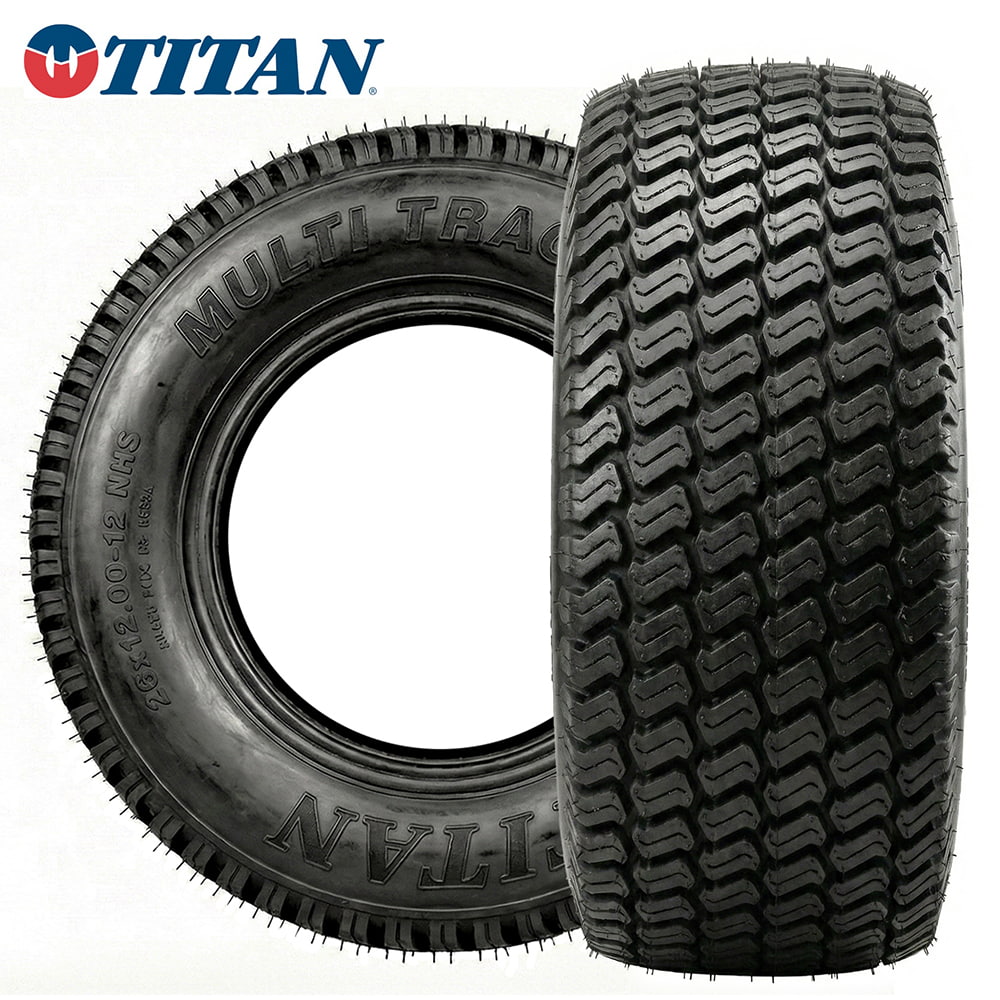
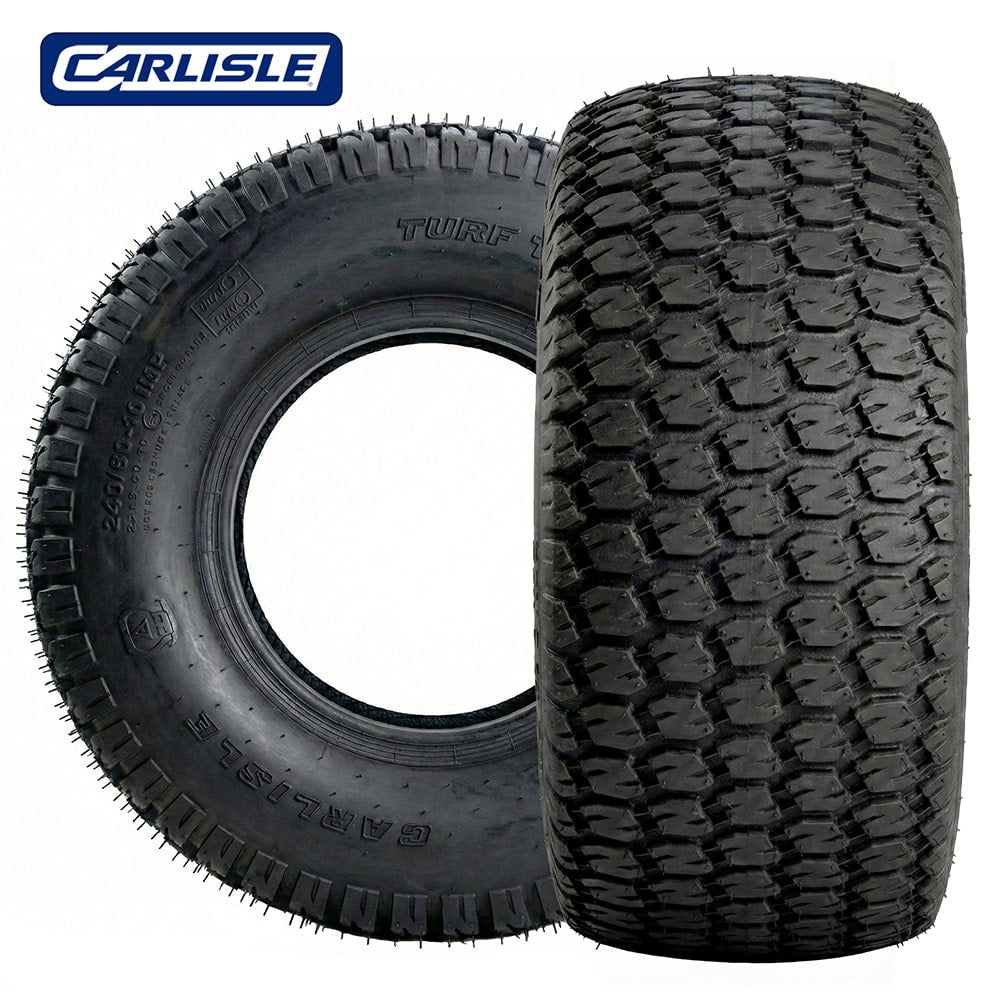
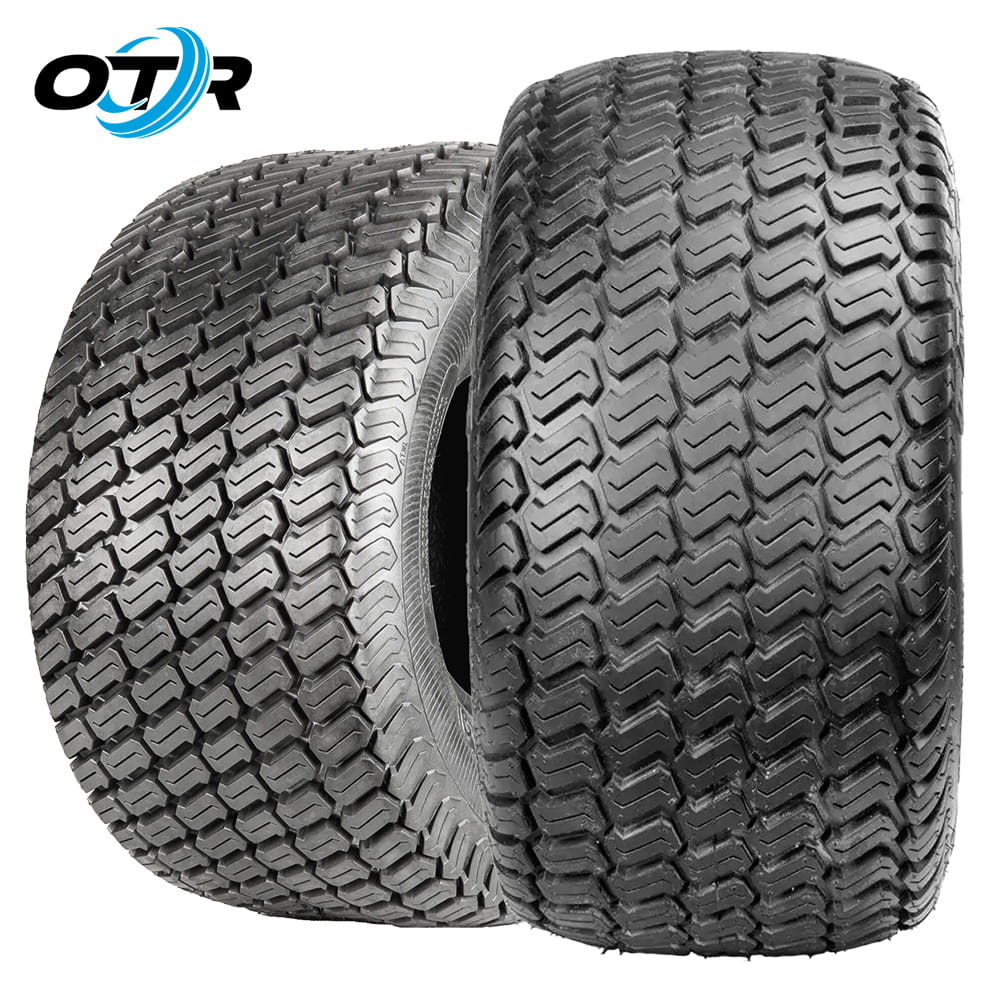
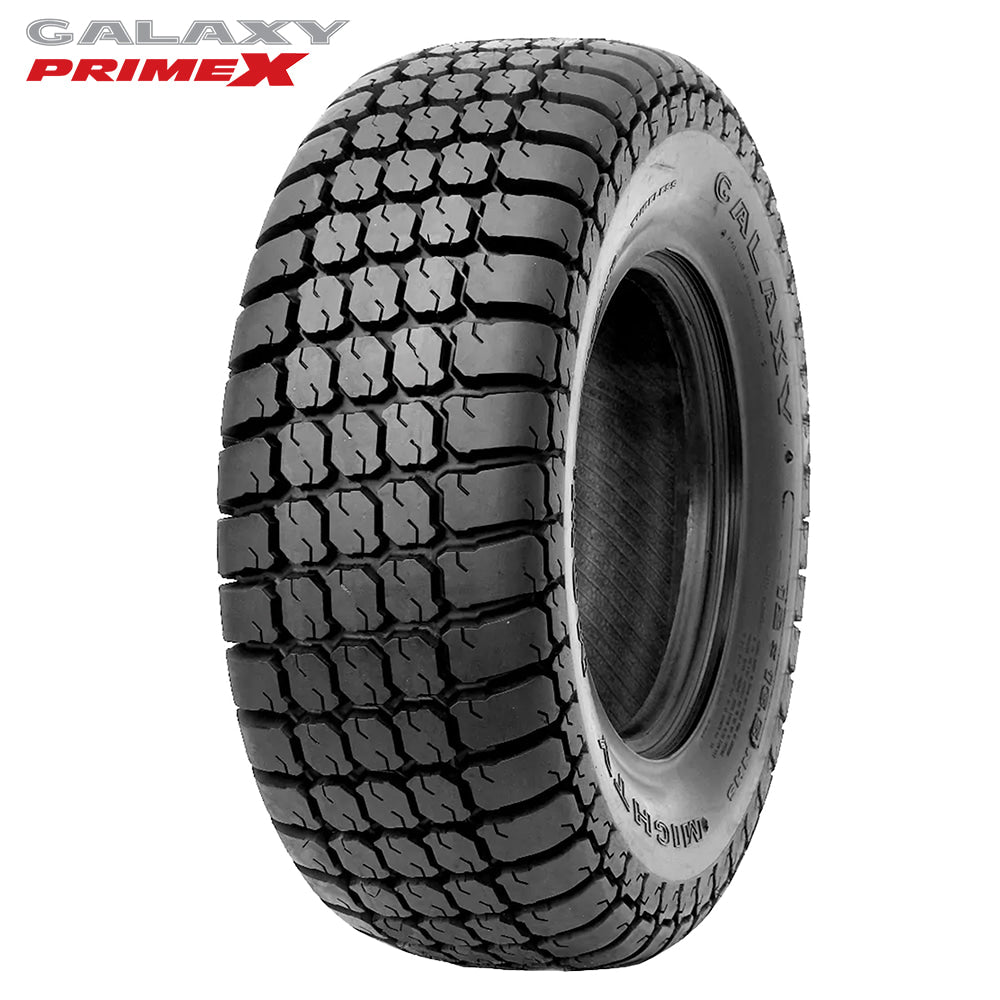
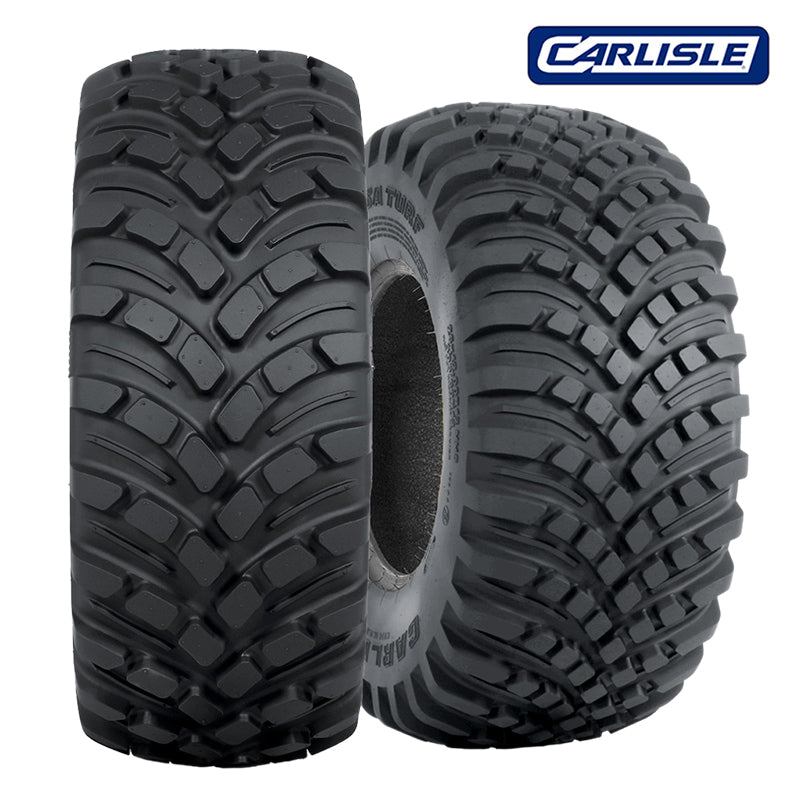

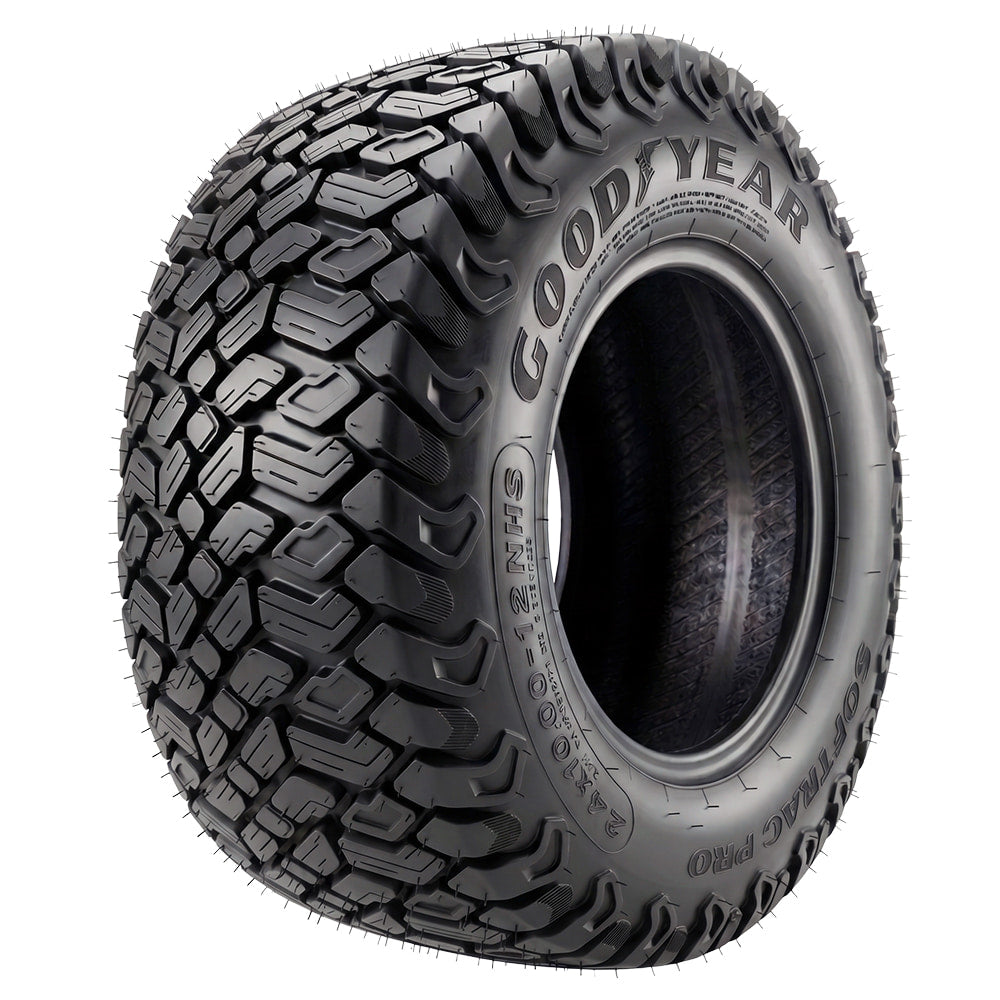
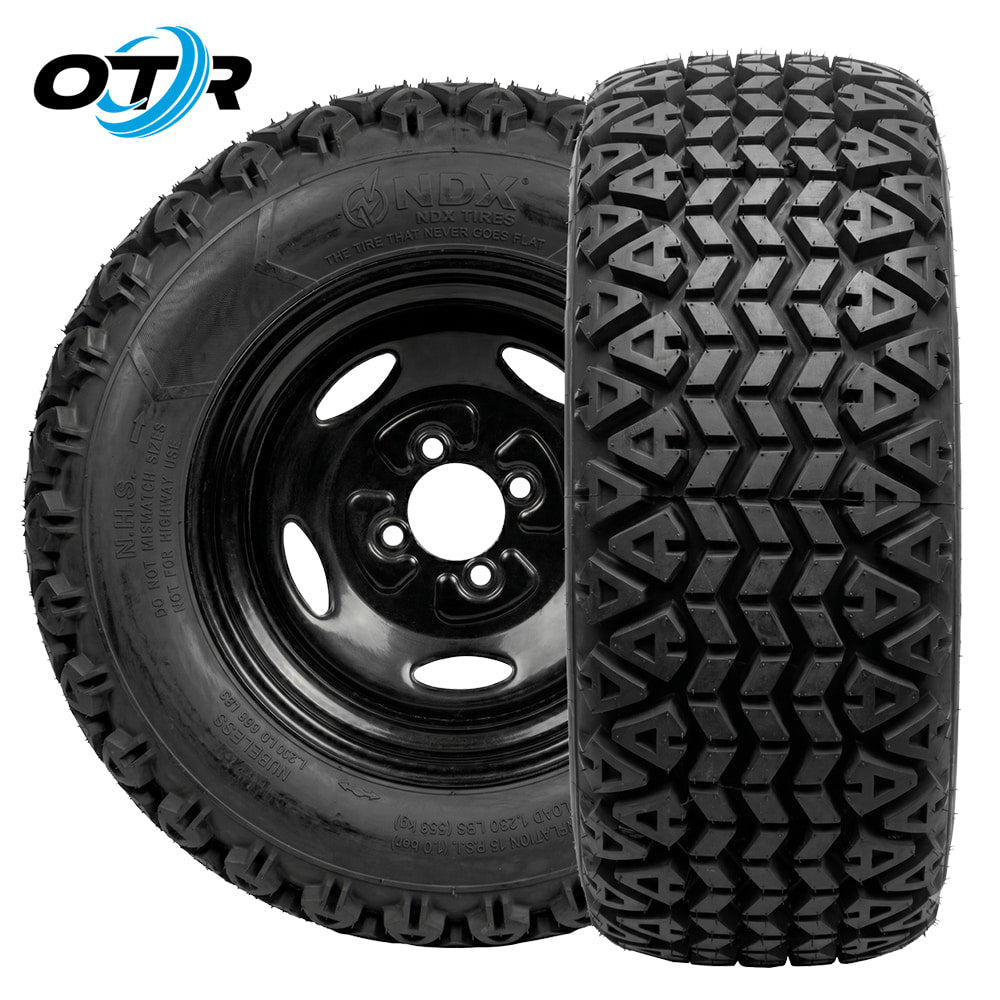
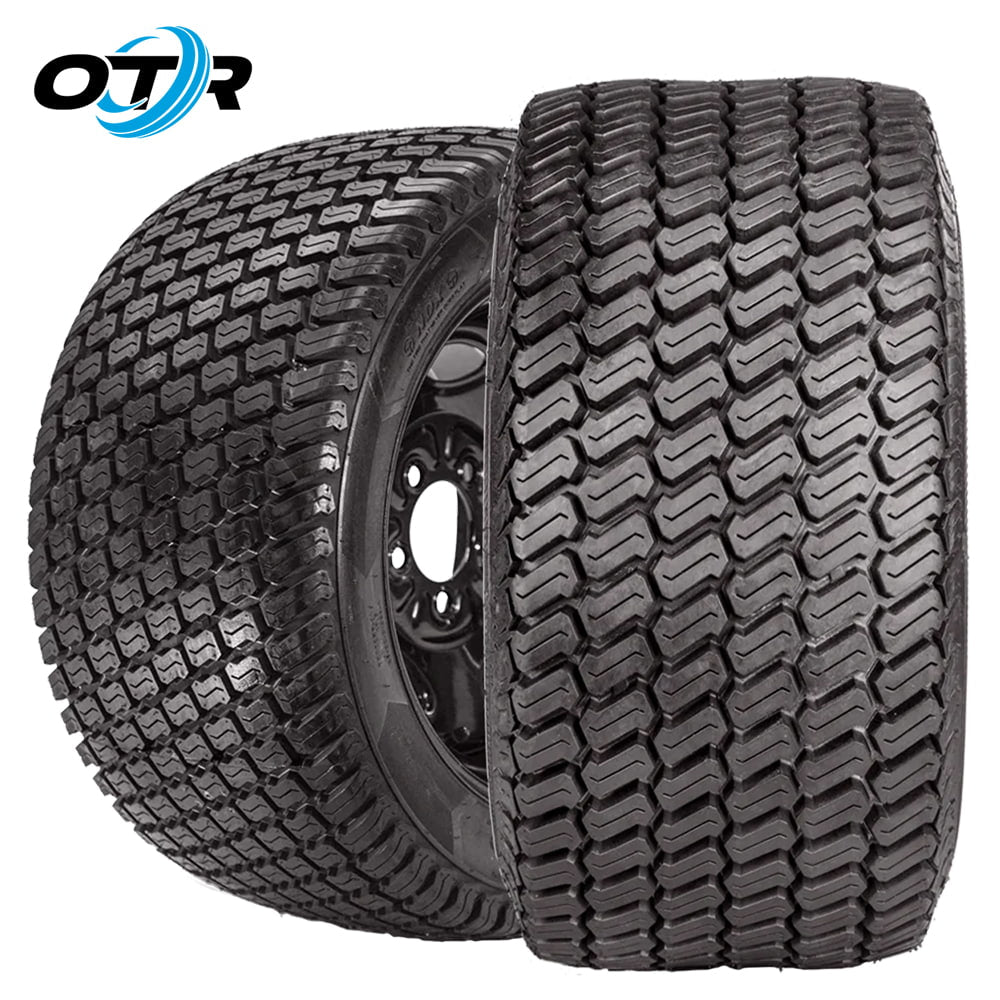
20x10.00-8
- Overall Height20"
- Section Width10.00"
- Wheel Diameter8"

Perfect fit and confidence back on the road again!

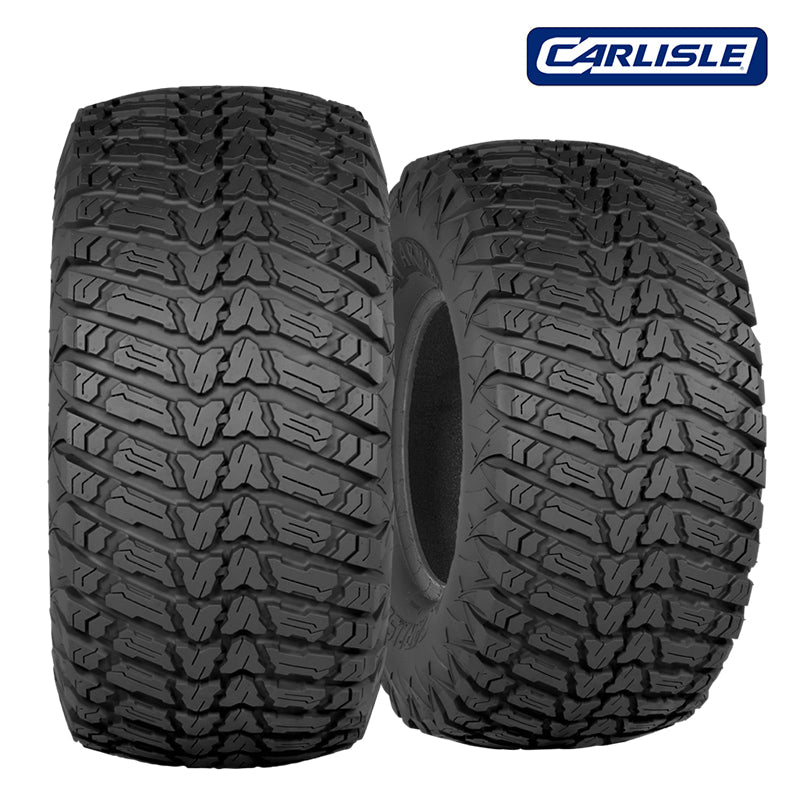
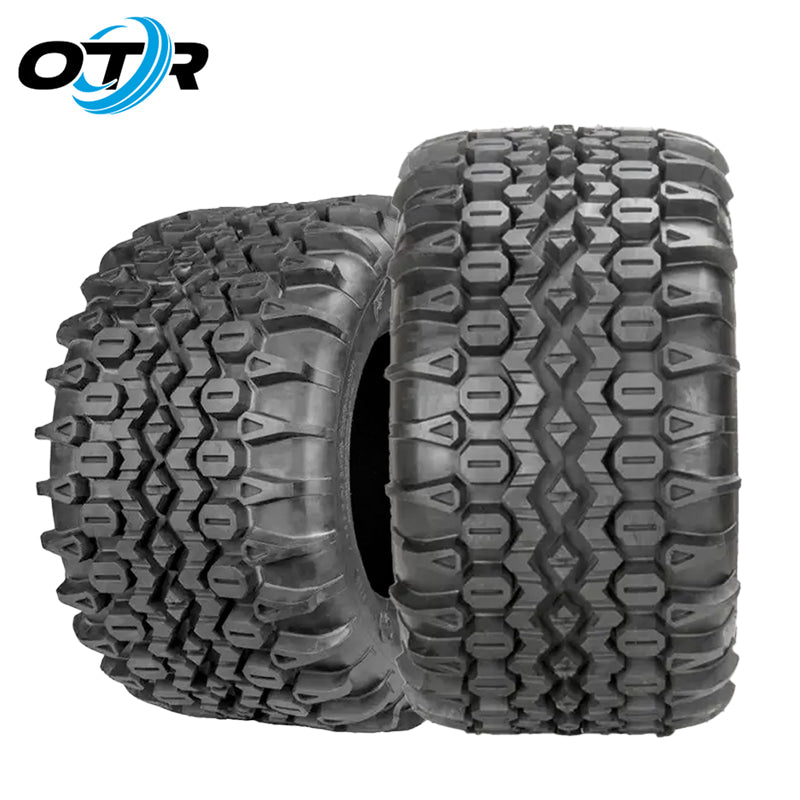
Transform your mowing experience with Ride or Die Tire's handpicked collection of lawn mower, turf, riding lawn mower and zero-turn mower tires, offering both rugged reliability and turf-friendly performance. Whether you're cruising through the yard, maintaining a golf course, or managing a commercial landscape's tough terrain, this lineup delivers top-tier traction and durability from trusted names like Kenda, OTR, Armstrong, SunF, and Carlisle.
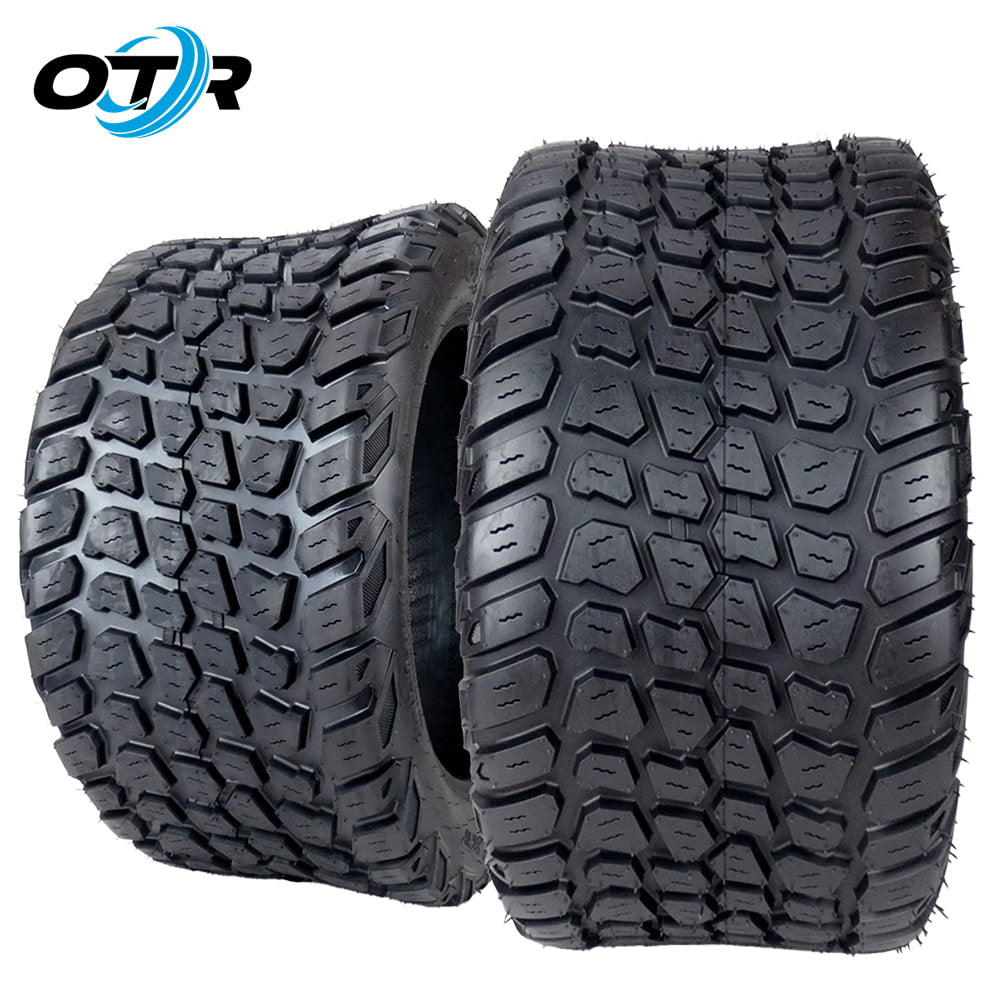
Highlighted in this range are tried-and-true ZTR favorites such as the Kenda Reaper K3012, designed with a light-truck-inspired tread and sturdy 4-ply construction for exceptional lawn traction and puncture resistance. Equally popular, the OTR Armstrong Big Bite Turf Tire offers a broad, stable footprint with self-cleaning angled lugs and multiple ply ratings (2, 4, or 6-ply) to support riding mowers like Hustler, Toro, Bad Boy, and Simplicity with outstanding non-directional traction and turf protection. You'll also find turf-specific tire sizes across the board, ranging from 18x6.5-8 to 26x12-12, manufactured for superior performance on grass and delicate landscapes as well as higher traction needs for sloped and hilly terrains.
This mower tire collection offers both premium OEM replacements and cost-effective aftermarket alternatives, ensuring there's a perfect match for every mower, ZTR, and small lawn tractor. Enjoy the assurance of free shipping, competitive pricing, and top quality, no matter which brand or size you choose.
Understanding your sidewall numbering system ensures maximum performance and fitment for your machine.
Lawn and garden tires are engineered specifically for equipment that operates in residential, commercial, and public green spaces (i.e. golf courses and parks), where traction, stability, and turf protection matter most. Whether you’re maintaining a home lawn, managing acreage, or running professional landscaping equipment, the right lawn and garden tire helps improve performance while minimizing damage to grass, soil, and finished surfaces. Additionally, quality tire construction help to reduce frustrating down time.
Our collection of lawn mower tires, garden tractor tires, and utility equipment tires includes a wide range of sizes, tread styles, and constructions designed to match the unique demands of lawn and garden machinery.
Lawn and garden tires are commonly found on a wide variety of outdoor equipment, including:
Choosing the correct tire style is essential for performance, safety, and turf preservation. Common lawn and garden tire types include:
Lawn and garden tires are available in several construction types to suit different applications:
You’ll also find both bias-ply and radial lawn and garden tires, with radial tires offering smoother ride quality and longer tread life, while bias tires provide rugged durability at a lower cost.
Lawn and garden tires come in a wide range of diameters and widths to fit everything from push mowers to heavy garden tractors. Popular sizes are often listed in formats such as:
*Always consult your equipment manufacturer’s specifications or sidewall markings to ensure proper fitment.
These tires are built to perform across diverse outdoor conditions, including:
Selecting the right tire depends on your equipment type, terrain, and intended use. A tire ideal for a riding mower may not perform well on a garden tractor used for towing or tilling. Proper tire selection improves traction, reduces turf damage, extends equipment life, and delivers better overall performance.
Explore our full selection of lawn and garden tires to find the perfect fit for your mower, tractor, or outdoor equipment—built for durability, traction, and dependable performance in every season.
What causes lawn damage when using lawn mower tires?
Most lawn damage is caused by sharp turning and incorrect tire pressure rather than too aggressive of a tread pattern. Even turf tires can scuff and dislodge grass if overinflated or pivoted aggressively, especially on zero-turn mowers.
What is the correct tire pressure for lawn and garden tires?
Most lawn and garden tires operate at low pressure, typically between 8 and 14 PSI. Overinflation reduces traction, increases turf damage, and causes uneven wear.
Are wider lawn mower tires better?
Wider tires can help distribute weight on soft turf, but they are not always better. The wider footprint can contribute to turf damage when turning sharply, but does reduce compaction per inch. Narrower tires often improve steering precision and reduce clearance issues but do have a slightly higher compaction rate than wider tires. Always follow equipment manufacturer specifications.
Should front and rear lawn tractor tires be the same?
No, they don't have to be but often are. Front tires are designed for steering and tracking, while rear tires provide traction. Aggressive tread on front tires can increase turf damage and reduce steering control. Most standard residential lawn and garden tractors, however, will use the same turf-friendly tread style front and rear. Tractors designed for heavier duty or agricultural use will usually have aggressive rear tires and steering-oriented tires for the front.
Are bias-ply or radial tires better for lawn and garden equipment?
Bias-ply tires are often better for lawn and garden equipment due to improved stability at low speeds, resistance to sidewall flex, and cost-effectiveness. Radial tires are better for higher-speed or continuous-use applications. The vast majority of lawn and garden tires use bias-ply construction.
Does deeper tread mean better performance?
No. Lug shape, angles, spacing, and edge design matter more than tread depth. Wide, rounded lugs with tread block siping often provide better traction on grass while also protecting it.
Why do lawn mower tires keep going flat?
Flat tire issues are often caused by rusty wheels, damaged or cracked valve stems, improper mounting, or under-inflation rather than tire failure.
Are tire chains better than aggressive tread for snow?
Yes. Turf tires equipped with chains often outperform aggressive lug tires on snow and ice, improving traction and reducing wheel spin.
What matters more: speed rating or load rating?
Load rating matters more. Lawn equipment operates at low speed, but towing and attachments increase load. Underrated tires often fail at the sidewall when used regularly above their weight and load rating.
Should lawn and garden tires be replaced in pairs?
Ideally, yes. Replacing tires in pairs on driven axles prevents drivetrain binding and premature wear, especially on hydrostatic garden tractors.
Are aftermarket lawn and garden tires better than OEM tires?
Many aftermarket tires offer improved rubber compounds, longer tread life, and better traction compared to OEM tires, which are often selected for cost and aesthetics instead of performance.
Power King
Carlstar
Greenball
MaxAuto
Galaxy
Kenda
OTR Wheel Engineering
Deestone
Goodyear
Other Lawn & Garden Brands